
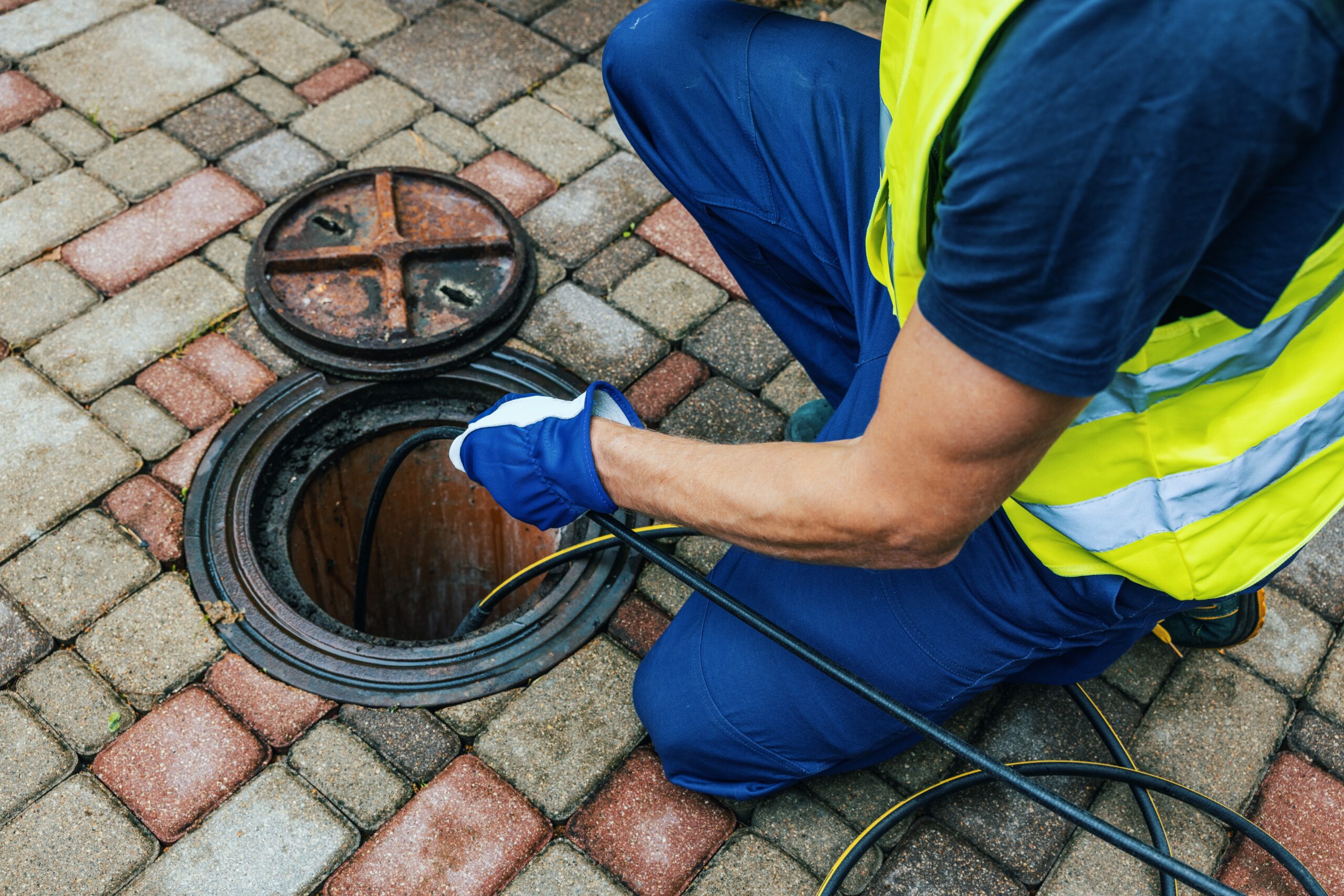
Many Sydney homes still rely on older clay drainage pipes beneath the property. These pipes may have worked for decades, but age, soil movement, tree roots, and joint failure can eventually make them vulnerable to repeated blocked drains.
Modern PVC pipework is very different. It is smoother, more resistant to root entry when correctly installed, and generally better suited to current plumbing expectations.
Understanding the difference between old clay pipes and modern PVC can help you decide whether clearing the blockage is enough or whether blocked drain repairs need to address the pipe itself.
Why Clay Pipes Were Common
Clay and earthenware pipes were widely used in older drainage systems because they were durable, available, and suitable for the plumbing standards of their time. Many are still in service today.
Read More: What to Do After a Hail Storm in Colorado
The issue is not that clay pipes were a poor choice when installed. The issue is that decades of use can expose their weaknesses. Clay pipes are typically installed in sections, with joints between each length. Those joints can move, open, crack, or separate as the ground shifts.
Problems With Clay Pipes
Cracking is one of the most common problems. A small crack can allow moisture to escape and roots to enter. It can also create a rough edge inside the pipe where waste catches.
Joint separation is another issue. If two sections of pipe move out of alignment, wastewater may not flow smoothly. Toilet paper, grease, food waste, and sediment can collect at the step between pipe sections.
Read More: The Hidden Problem with South-Facing Rooms in Leeds — And the Blind Solution That’s Trending
In more serious cases, clay pipes can partially collapse. Clearing the blockage may restore temporary flow, but it will not fix the broken pipe.
Why Tree Roots Make Clay Pipe Problems Worse
Tree roots are attracted to moisture. If an old clay pipe has a cracked section or open joint, roots can find their way inside. Once roots enter, they grow in the direction of the water source.
Inside the pipe, roots create a net that traps waste and debris. This is why a blocked drain Sydney problem caused by roots can keep returning. The roots may be cut out during clearing, but unless the entry point is repaired, they can grow back.
Benefits of Modern PVC Pipework
Modern PVC pipework has several advantages. The internal surface is smooth, which helps wastewater and solids move more easily. There are fewer rough edges where debris can catch, and the joints are designed to seal effectively when installed correctly.
PVC is also more resistant to root invasion because it does not have the same joint vulnerabilities as older sectional clay systems. It is lighter, easier to install, and commonly used in modern drainage upgrades and replacements.
When Replacement Becomes Necessary
If a drain blocks once because of a local obstruction, clearing it may be enough. But if the same drain blocks repeatedly, or if camera inspection shows root entry, cracks, or pipe collapse, simple clearing may only provide temporary relief.
Read More: Top Mistakes to Avoid When Setting Up a New Cooling System
Blocked drain repairs may become necessary when the pipe has lost its ability to carry wastewater properly. Signs include recurring blockages, sewage smells, multiple slow drains, outdoor overflow, or water backing up into showers and floor wastes.
Conclusion
Old clay pipes can continue working for many years, but they are vulnerable to cracking, root intrusion, joint separation, and collapse. Modern PVC pipework offers smoother flow, stronger sealed joints, and better resistance to many causes of recurring blockages.
If your drains keep blocking, the problem may not be what you are putting down them. It may be the pipe material and condition beneath your property.