
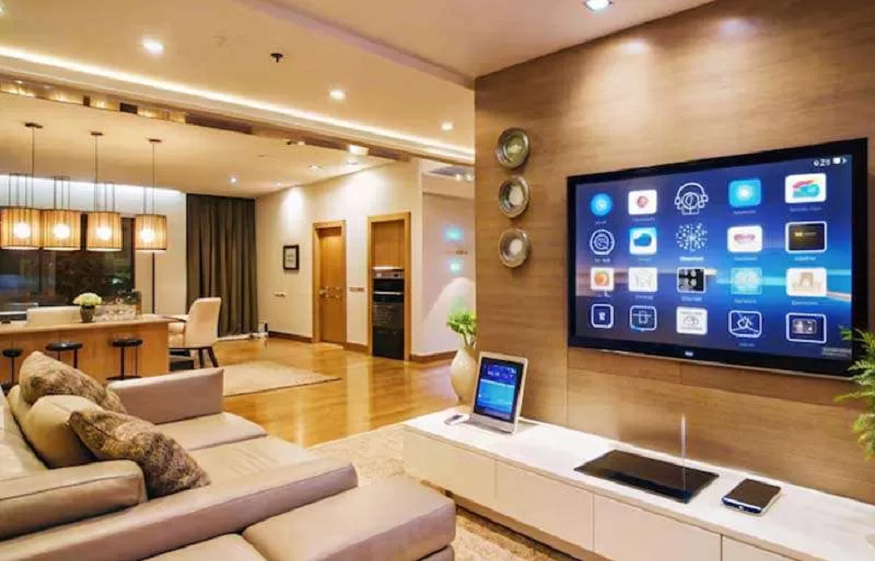
Smart home automation represents a modern approach to living, where technology and everyday household functions are seamlessly connected to enhance comfort, efficiency, and security. As per Joe Cianciotto, by integrating internet-enabled devices, sensors, and intelligent systems, homes can be transformed into responsive environments that adapt to the needs of their occupants. Smart home automation allows homeowners to manage appliances, lighting, and security systems with ease through centralized control, via smartphones, tablets, or voice commands.
Joe Cianciotto sheds light on some of the common uses of smart home automation
In recent years, advancements in artificial intelligence and connectivity have significantly expanded the possibilities of smart living. These innovations allow homes not only to respond to commands but also to learn user preferences and automate tasks accordingly. As a result, smart home automation has evolved from a luxury concept into a practical solution for improving daily life.
Here are some of the common uses of smart home automation:
- Voice-activated assistants:One of the most popular features in modern homes is the use of voice-controlled assistants. Devices equipped with voice recognition technology enable users to operate lights, adjust temperatures, and even manage entertainment systems through simple spoken instructions. These systems can also differentiate between users, offering customized responses and routines tailored to individual preferences.
- Smart lighting solutions:Lighting automation is another key aspect of smart homes. Intelligent lighting systems allow users to control brightness, color, and timing through mobile applications or automated schedules. Some advanced setups can adjust lighting based on natural daylight levels or occupancy, creating both energy savings and a more comfortable living environment.
- Energy management:Energy efficiency is a major advantage of smart home automation. Smart thermostats and energy monitoring tools help homeowners track and optimize their energy usage. By learning daily routines, these systems can automatically regulate heating and cooling, reducing unnecessary consumption and lowering utility costs. In more advanced configurations, energy systems can integrate with renewable sources such as solar panels to further enhance sustainability.
- Automated security systems:Home security has been revolutionized through automation. Smart surveillance cameras, motion detectors, and connected door locks allow homeowners to monitor their property in real time. Alerts can be sent instantly in case of unusual activity, and some systems are capable of triggering automated responses, such as locking doors or shutting off utilities during emergencies. This level of control provides both convenience and peace of mind.
- Home entertainment: Home entertainment has become more immersive with smart integration. Audio and video systems can be synchronized and controlled through a single interface, enabling users to create personalized viewing or listening experiences. Automation can also extend to environmental settings, adjusting lighting or temperature to match specific activities, such as watching a movie or hosting guests.
As per Joe Cianciotto, the future of smart home automation lies in creating systems that are adaptable and scalable. Developers and manufacturers are focusing on improving connectivity, ensuring compatibility across devices, and incorporating advanced technologies that allow seamless upgrades. This ongoing innovation is shaping homes that are not only intelligent but also capable of evolving alongside the needs of their occupants.